Lots of people would love to spend time in the outdoors, but one thing keeps them away: creepy crawly critters. We’re talking ants, spiders, mosquitos, flies, bees, and wasps.
With most of these creatures, a little prevention goes a long way to keep you safe. But when it comes to spiders, it’s always best to be aware of the risk of spider bites.
Here are our top 5 spider safety tips for your next camping adventure.
1. Identify dangerous spiders
There are two main venomous spider species in Australia, the redback spider and funnel-web spider.
Redback spider
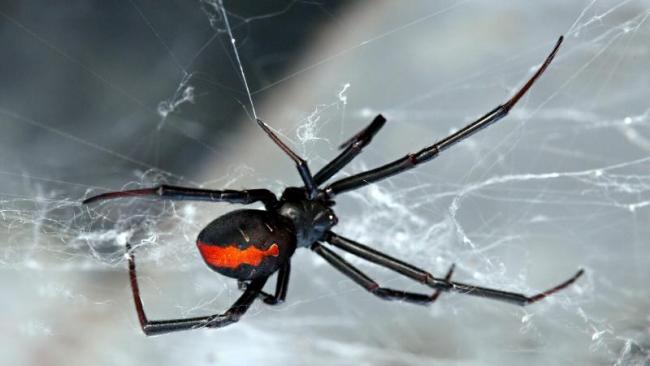
Image source: Yates
The redback spider is a small spider (from 3mm to 10mm long) with a red stripe on its back. Only the female redback spider is venomous.
Funnel-web spider
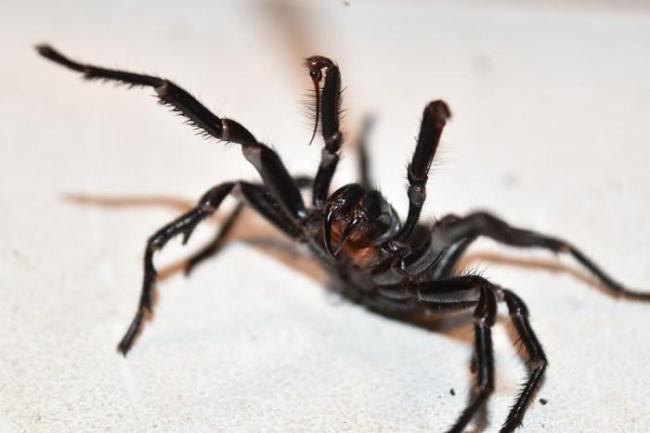
Image source: Australian Geographic
The funnel-web spider is a relatively large (up to 5cm long), glossy, blue-black spider.
Antivenom is available for both of these spider bites, and human deaths are extremely rare.
Mouse spider
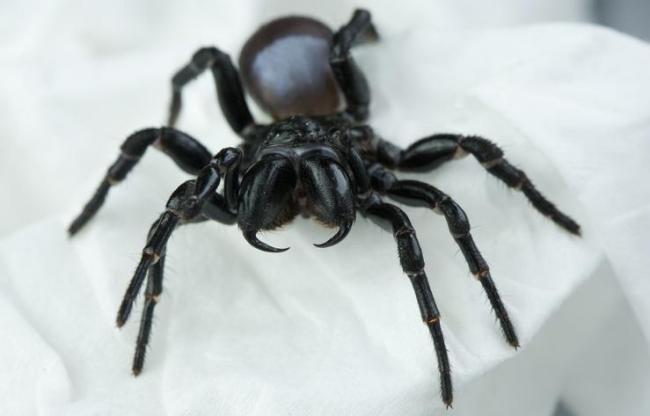
Image source: Kidadl
The mouse spider is another venomous species found in coastal and highland areas in Australia. Female mouse spiders are black in colour, while males have a blue-white patch on the front of the abdomen. While mouse spider venom is just as dangerous as the funnel-web, both are treatable with the same antivenom.
2. Learn where these spiders are found
A redback spider typically likes dry, dark places, while a funnel-web spider likes cool, moist spots like under rocks and logs. Mouse spiders live in burrows near rivers and creeks, but they wander from their burrows after rain. That said, spiders can make a home virtually anywhere, even in your camping gear. Always check for spiders in the folds of your camping chairs and tents, inside your camper van, and in other camping equipment in storage.
3. Understand how to prevent spider bites
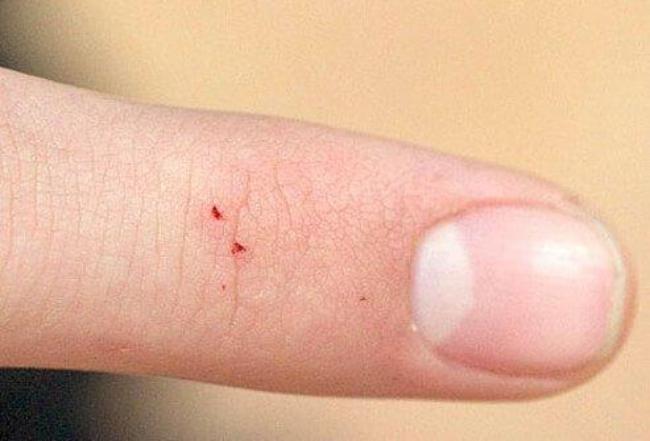
Image source: Medicinet
To avoid getting bitten by spiders during your camping or hiking holiday, follow these simple spider safety tips:
- Thoroughly check your gear before putting it on, packing or unpacking it
- Store your camping gear in airtight tubs, and keep your tent zipped up when not in use
- Don’t leave your clothes and shoes on the ground overnight. Pack them away in bags to keep spiders from creeping in, and shake them out before wearing them
- Whatever you do, don’t flick a spider away with your hands. Use a brush and dustpan, folded newspaper or a stick to gently shoo it away
- Don’t try to kill a redback or funnel-web spider because they get aggressive and attack when provoked. If you cannot remove the spider, use bug spray as a last resort
4. Identify the signs of a spider bite
Your body reacts to a spider bite with its natural inflammation response, which includes:
- Redness
- Swelling
- Pain
- Itchiness
- Heat or burning sensation
If left untreated, the spider bite can cause:
- Headaches
- Vomiting
- Fever
- Muscle aches and weakness
- Stomach and chest pain
- Sweating
5. Know the right way to handle a spider bite
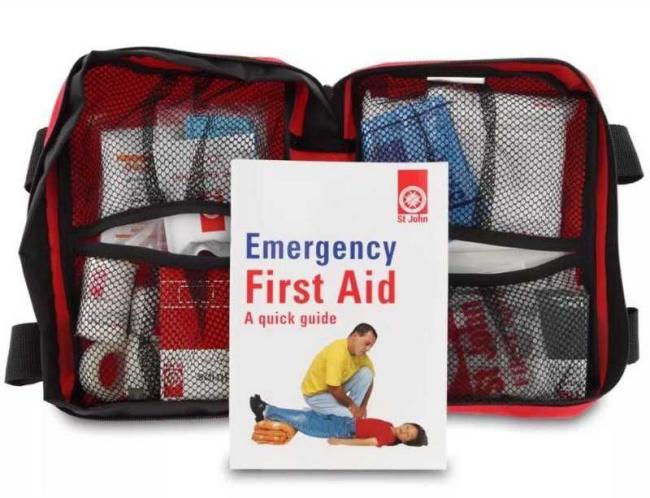
Image source: Snowys
We always advise that you carry a first aid kit for all your hiking, camping and beach adventures. Take these spider safety first aid steps in case of a spider bite:
- Keep the patient calm. A racing heart means faster spread of the venom in the bloodstream. Don’t give them anything to eat or drink
- If it is a redback spider bite:
- Wash the bitten area thoroughly
- Use an ice pack on the bite area for 20 minutes or so.
- Don’t bandage or immobilise the bite area, since this will cause greater pain rather than relief.
- If it is a funnel-web or mouse spider bite:
- Use a compression bandage or splint to reduce the spread of the venom through the bloodstream.
- Watch the patient closely for signs of deterioration like dilated pupils or uncontrollable muscle spasms.
- Call for emergency assistance immediately using your mobile or satellite messenger
- Find the spider. Catch it in a jar and take it to the hospital with you. If not, try to memorise its colour, size, and any other details that will help the medical staff
Enjoy a safe holiday at Broken Head Holiday Park
These spider safety tips will help you manage these small but essential creatures. Note that there have been no spider-related deaths in Australia since 1981, and we plan to keep it that way here at Broken Head Holiday Park. Our facilities are clean, pest-free, and great for the whole family. Book your Byron Bay holiday accommodation with us today!